How to Improve Work Zone Visibility During Summer Construction Season

Summer introduces specific visibility challenges in work zones: heat shimmer, sun glare, UV-accelerated retroreflective degradation, and extended shifts that push into dusk and overnight hours. The fix is straightforward — inspect retroreflective sheeting at the start of every shift, replace what’s degraded, and verify warning lights are functional before dusk. Every shift.
Summer’s sunny days bring longer hours and better weather. Though they’re out of the snow and ice, new challenges arise. Most people don’t realize that, despite the plentiful sunshine, work zone visibility becomes a primary challenge for construction crews in the summer. Roadway construction teams need to be prepared to level up their visibility equipment to prepare for any job during the summer. With proper planning and the right equipment in place, your job site can be safe for your crew and everyone who passes through.
Why Summer Creates Unique Visibility Challenges in Work Zones
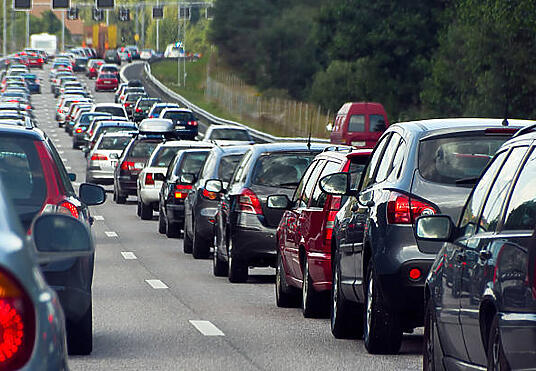
Summer is construction season. Seemingly every crew is out there. The sheer increase in work zones means that people (unfortunately) get used to them. This causes distracted drivers to zone out when they’re in work zones. If the whole commute seems to be a job site, why slow down and increase caution when driving through them.
Busy all around. Traffic volumes also peak in summer, with roadtripping families and more drivers out and about. More vehicles passing through work zones at higher speeds means less margin for driver error and more demand on visibility equipment to perform as designed.
Whats more is that heat shimmer and sun glare reduce driver perception of barricades and signage. UV exposure accelerates retroreflective sheeting degradation so much that panels that passed inspection in spring may not in July.
Longer daylight hours create low-angle sun glare during peak work hours (morning and evening) that washes out signage. All the while summer road projects run longer shifts, including dusk and nighttime hours, where lighting compliance becomes critical
Retroreflectivity: The Most Overlooked Summer Maintenance Item
Retroreflective sheeting on barricades, signs, and cones degrades with UV exposure, and summer is when that degradation accelerates fastest. MUTCD sets minimum retroreflectivity levels that must be maintained throughout the project lifecycle — not just at initial setup. A panel that met the standard when installed in April may fall below the minimum by midsummer.
The problem is that visible degradation — fading, cracking, delamination — often lags actual performance loss. A panel can look acceptable and still fail to meet minimum retroreflectivity standards for nighttime or low-light conditions.
Best practices for summer retroreflectivity maintenance:
- Inspect retroreflective panels at the start of each shift, not just at project phase transitions
- Spot-check your flat sign panels with a retroreflectometer — a handheld meter that quantifies the panel’s brightness. Compare that reading to the MUTCD minimum for that sign; orange work-zone signs, for example, should stay at or above roughly 50 cd/lx/m². Anything under the minimum gets replaced.
- Replace sheeting that shows visible fading, cracking, or delamination before the shift begins — and remember that visible damage lags actual performance loss, so a panel that still “looks fine” can already be failing at night
- Rotate equipment from high-UV-exposure positions more frequently during peak summer months — west-facing positions accumulate significantly more UV load across a full summer workday
UV Exposure Affects Plastics Barricades Too
Most crews don’t realize that plastic barricades, usually made from high-density polyethylene (HDPE) or low-density polyethylene (LDPE), are exposed to the sun’s rays just like reflective sheeting.
At the start of every shift, judge barricades, drums, and LCDs by the “serviceable” test instead. The MUTCD doesn’t set a field meter number for these devices. But you can ask, “Does the sheeting still show the same color and brightness both day and night?” If it’s visibly faded, cracked, or delaminated, it’s no longer serviceable and has to come out of service. Faded barricades do a poorer job of attracting attention than those at full brightness.
UV-resistant HDPE barricades are the best choice when using plastic barricades and other safety equipment. OTW Safety molds jersey-shaped LCDs from UV-resistant, high-density polyethylene (HDPE), which retains its color and structural strength over time.
Visibility Best Practices by Equipment Type
Work zone visibility is only as strong as the weakest piece of equipment in the setup. Summer conditions affect each equipment type differently, and each requires a specific inspection focus.
Barricades: Verify full-panel retroreflective sheeting is intact and undamaged on every rail before each shift. Type III barricades are necessary in high-speed zones.Type I or II in a 55 mph work zone is both undersized and non-compliant with MUTCD. See construction traffic barricades for equipment rated for high-speed work zones and verify the requirement against your project specification and state DOT.
Signs: Check for fading, warping from heat, and sun glare obscuring the message. A sign that’s technically in place but unreadable due to glare at a critical decision point provides no safety value. Simply reposition or replace as needed.
Cones and drums: UV bleaching reduces the visual intensity of orange over a full season. Inspect for significant color loss and replace fading units.
Warning lights: Test all units before dusk on every shift. Note that heat affects battery performance. Check charge levels on a shorter cycle and replace batteries more frequently during peak summer operations.
Night and Low-Light Visibility in Summer Work Zones
Summer projects frequently run evening and overnight shifts. Longer construction windows push project timelines, and many projects that would have been daytime-only in other seasons extend into evening hours to meet milestones. It’s safe to stock hazard lights for each of your job sites, even if they aren’t planning on working into the evening hours.
For nighttime operations, the MUTCD requires channelizing devices (including barricades) to be retroreflectorized to remain visible in the dark; warning lights are strongly recommended and may be added under conditions such as frequent fog, severe roadway curvature, or when visual distractions are present. Once a warning light is included in the approved traffic control plan, though, it must remain functional. Any device in the plan that is no longer serviceable must be replaced. A dark or dead light on a barricade in an active lane closure is a hazard, and where the plan relies on it, a compliance violation.
Assign a crew member specifically responsible for inspecting all warning lights before dusk each shift. Solar-powered units perform well in summer, but verify panels are clean and unobstructed.Dust and debris accumulate faster than you’d think.
For equipment selection by work zone type and application, see types of safety barriers.
Summer Work Zone Visibility Checklist
Run this at the start of every shift:
- Retroreflective panels inspected on all barricades, signs, and drums
- Faded, cracked, or delaminated sheeting replaced before operations begin
- Type III barricades confirmed for all high-speed zone applications
- Warning lights tested and dead units replaced before the shift begins
- Cone and drum color intensity adequate for the application
- Signs positioned to minimize sun glare during morning and evening operations
How OTW Safety Supports Summer Work Zone Visibility
OTW Safety’s construction traffic barricades are built with full-panel retroreflective sheeting rated for extended outdoor exposure. Equipment is designed for fast setup and easy panel inspection and replacement in the field — both factors that matter when summer conditions require more frequent retroreflectivity maintenance.
Suitable for DOT projects, highway construction, and municipal work zones throughout construction season.
Frequently Asked Questions
How often should work zone retroreflectivity be inspected in summer?
At the start of every shift — not weekly, not at phase transitions. Summer UV exposure degrades retroreflective sheeting faster than anticipated, and MUTCD compliance is a continuous requirement throughout the project, not a setup-and-forget standard.
What are the MUTCD minimum retroreflectivity requirements for barricades?
The MUTCD requires channelizing devices (including barricades) to be retroreflectorized for nighttime use, made with retroreflective sheeting that appears a similar color day and night, and kept serviceable throughout the project. The numeric minimum retroreflectivity values maintained can be found in MUTCD Table 2A-3 and apply to signs rather than to barricades, cones, or drums. For those channelizing devices, the field standard is serviceability: replace them once the sheeting is faded, cracked, or delaminated. Consult the current edition of the MUTCD or your state DOT for the applicable values and specifications.
Do warning lights need to be on during daytime summer operations?
At night, the MUTCD requires channelizing devices to be retroreflectorized; warning lights themselves are optional, but strongly recommended. Once warning lights are incorporated into the traffic control plan, they must remain functional throughout the operation. Extended summer shift hours that push into dusk or begin before sunrise are exactly when you’ll want them in place from the start. Daytime-only operations typically don’t require lights, but, of course, verify the requirement for your specific work zone type and confirm state DOT standards, which may add to the federal baseline.
How does heat affect work zone barricade performance?
Heat accelerates UV degradation of retroreflective sheeting and reduces battery performance in warning lights. Barricades are generally heat-stable structurally, but plastic panels can warp under extreme heat if stored or staged in direct sun for extended periods. Inspect and rotate equipment more frequently during peak summer months and keep replacement sheeting stocked on-site.
The visibility challenges summer construction introduces are predictable — which means they’re preventable. Inspect retroreflective sheeting every shift, replace what’s degraded, keep warning lights functional, and account for sun glare when positioning signs. Those four practices cover most of the work zone visibility compliance risk that peaks with the summer season.
OTW Safety carries the equipment to keep your work zone visible and compliant all construction season long.