The Beginner’s Guide to Construction Procurement
A construction project doesn’t begin when crews arrive on-site or when concrete is poured. It begins much earlier – with procurement. Before work can move forward, contractors and construction companies must source the materials, equipment, labor, and services needed to complete the project safely, efficiently, and on schedule. From requesting quotes and negotiating pricing to coordinating deliveries and managing supplier relationships, procurement plays a major role throughout the entire construction process.
In this guide, we’ll cover the basics of construction procurement, including common terminology, the procurement process, major procurement methods, and the strategies that help contractors avoid delays, control costs, and keep projects running smoothly.
What Is Construction Procurement?
Construction procurement is the process of sourcing, purchasing, and managing the materials, equipment, labor, and services required for a construction project. When handled correctly, procurement ensures that projects receive the right materials at the right time while helping contractors maintain budget control and schedule reliability. Since construction timelines depend heavily on material availability and coordinated deliveries, procurement directly affects whether a project stays on track or experiences costly delays.
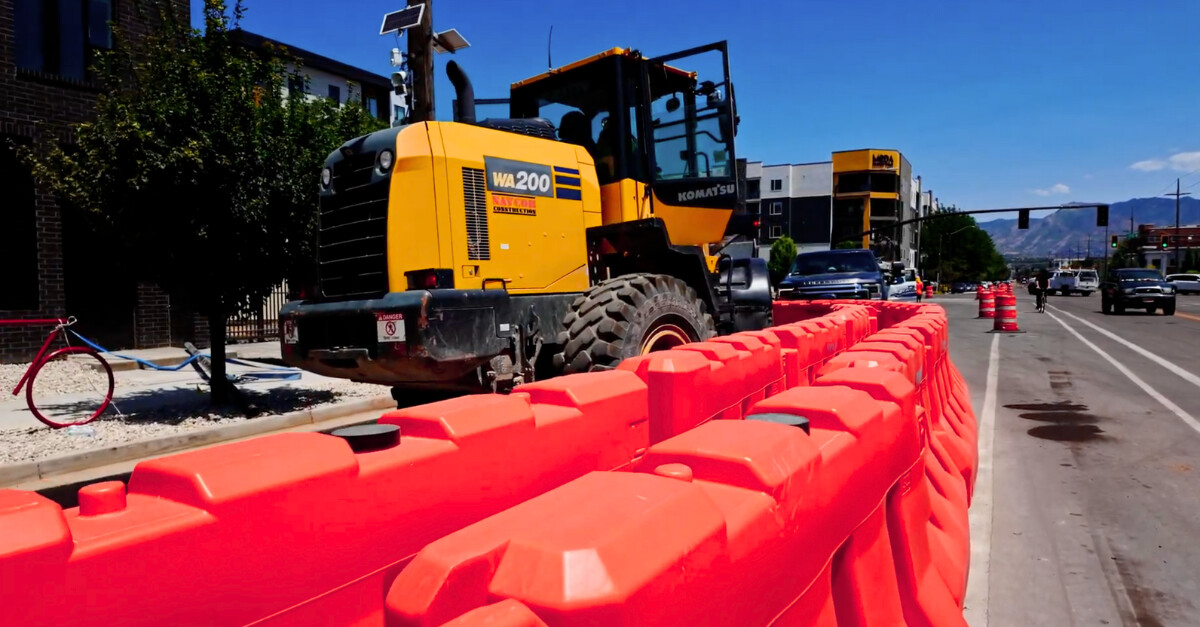
Procurement extends far beyond ordering building materials like steel, concrete, or lumber. Procurement teams are also responsible for sourcing traffic control products, safety barricades, temporary fencing, equipment rentals, subcontractor services, signage, and finishing materials. In addition to identifying project needs, procurement professionals evaluate suppliers, request quotes, negotiate pricing and terms, issue purchase orders, and monitor supplier performance throughout the project lifecycle.
Because construction projects involve so many moving parts, procurement is one of the most important operational functions in the industry. Every phase of a project depends on materials, labor, and equipment arriving when and where they are needed.
Why Procurement Matters in Construction
Effective procurement helps keep projects on schedule and within budget. Poor procurement processes, on the other hand, can create a chain reaction of delays, shortages, and unexpected costs. Material shortages, delayed shipments, pricing volatility, and unreliable suppliers can all impact project timelines and profitability.
Construction projects require constant coordination between contractors, suppliers, subcontractors, and project stakeholders. Procurement teams must carefully manage purchasing timelines, supplier reliability, and budget expectations at the same time. Contractors with strong procurement workflows are often better positioned to secure competitive pricing, maintain dependable supply chains, and reduce disruptions that could slow construction activity.
Procurement also plays an important role in maintaining safety and compliance. Certain projects require materials or traffic control products that meet state or federal standards, and sourcing non-compliant products can create liability issues, project shutdowns, or costly replacements later in the process.
Key Construction Procurement Terms
Construction procurement includes terminology that frequently appears in contracts, purchasing documents, and supplier communications. Understanding these terms helps teams communicate clearly and manage purchasing more efficiently.
An RFQ, or Request for Quote, is a document sent to suppliers requesting pricing for specific products or services. An RFP, or Request for Proposal, is typically used for more complex services where vendors submit detailed solutions and pricing structures.
A Purchase Order, commonly called a PO, is an official document authorizing a supplier to provide goods or services at agreed-upon pricing and terms. Lead time refers to the amount of time between placing an order and receiving the delivery, while a supplier is the company providing the products, materials, equipment, or services required for the project.
Understanding these foundational terms helps streamline communication between procurement teams, vendors, and project managers.
The Construction Procurement Process
Although procurement workflows may vary between companies, most construction procurement processes follow six core stages.
Step 1: Identifying Project Requirements
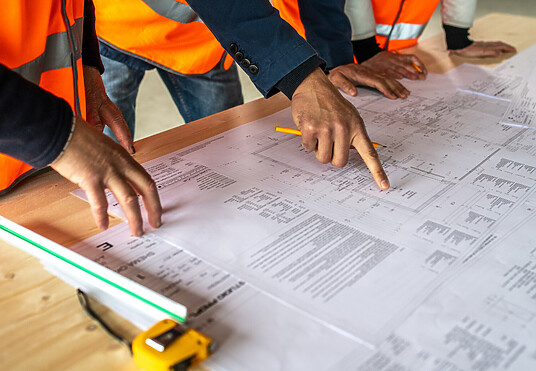
The first step in procurement is determining exactly what the project requires. Procurement teams review plans, specifications, schedules, and estimated quantities to identify all necessary materials, equipment, labor, and third-party services.
For example, a roadway construction project may require temporary barricades, traffic drums, signage, concrete barriers, heavy equipment, asphalt, rebar, and safety lighting. Teams must also verify whether products meet standards such as MUTCD or DOT requirements. Failure to source compliant products can result in safety issues, liability exposure, or project shutdowns.
Commercial and residential projects may prioritize different materials entirely, including lumber, drywall, flooring, insulation, temporary fencing, and finishing products. Because every project has unique needs, accurate planning is essential during this phase.
Step 2: Supplier Research and Vendor Selection
Once project requirements are identified, procurement teams begin evaluating suppliers based on pricing, product quality, delivery reliability, lead times, and compliance capabilities. Contractors often prefer working with trusted suppliers they have partnered with successfully in the past because reliable vendor relationships help reduce procurement risk and improve operational efficiency.
Vendor selection becomes even more important for products requiring state or federal certification, where suppliers must consistently meet strict compliance standards.
Step 3: Requesting Quotes
After narrowing down vendors, procurement teams issue requests for quotes to gather pricing and delivery information. Suppliers typically respond with product pricing, estimated shipping timelines, payment terms, and quote validity periods. Because construction pricing can fluctuate quickly, quote expiration dates are an important factor procurement teams must track carefully.
Comparing multiple quotes helps contractors secure the best overall value while balancing cost, reliability, and delivery expectations.
Step 4: Contract Negotiation
For larger purchases or long-term agreements, procurement teams often negotiate pricing, delivery schedules, warranties, payment terms, and freight arrangements. Strong negotiations help contractors improve margins while minimizing procurement risks and protecting project timelines.
Once negotiations are finalized, contracts and pricing details are typically submitted for internal review and approval before purchasing moves forward.
Step 5: Purchase Order Issuance
After approvals are complete, procurement teams issue purchase orders confirming quantities, pricing, delivery expectations, and agreed-upon terms. Once the purchase order is submitted, the supplier begins fulfilling the order according to contract requirements.
Step 6: Delivery and Supplier Management
Procurement responsibilities continue even after orders are placed. Teams monitor shipping timelines, fulfillment progress, and product quality to ensure suppliers meet expectations. If delays, damages, or product issues arise, procurement teams work directly with suppliers to resolve problems quickly and minimize disruptions to the project schedule.
Common Construction Procurement Methods
Construction projects use several procurement methods depending on the project scope, timeline, complexity, and level of collaboration required.
The most common method is design-bid-build, where the project design is completed first and contractors then submit bids to win the work. This approach creates competitive pricing and clearly defined scopes but can result in longer timelines and limited collaboration during the design phase.
Another common approach is design-build, where a single contractor manages both the design and construction phases. This method often improves coordination and speeds up project delivery because procurement decisions can begin earlier in the process.
Construction Manager at Risk (CMAR) is often used when clients and contractors already have established relationships. Under this structure, contractors assume financial risk through a Guaranteed Maximum Price agreement, which can improve collaboration but places heavy emphasis on cost control.
Integrated Project Delivery (IPD) is a highly collaborative procurement model involving owners, designers, and contractors sharing both risks and rewards. IPD is typically reserved for large or complex projects that require significant coordination between stakeholders.
Procurement Strategy and Best Practices
While procurement methods define how contracts are structured, procurement strategy focuses on how companies manage purchasing decisions throughout a project. Effective procurement strategies typically prioritize cost control, supplier reliability, schedule alignment, and risk management.
One of the most important best practices in construction procurement is planning early. Advance purchasing helps reduce supply chain delays and allows teams to secure better pricing before market conditions change. Maintaining preferred supplier relationships also improves efficiency by shortening vendor selection timelines and creating more reliable communication channels.
Standardized purchasing workflows help improve internal organization, while procurement software can simplify quote tracking, purchase order management, supplier monitoring, and reporting. Strong supplier relationships are especially valuable during periods of material shortages or volatile pricing because dependable vendors are often more transparent about availability and lead times.
Common Challenges in Construction Procurement
Construction procurement often faces challenges related to supply chain disruptions, fluctuating material prices, and complex coordination between multiple vendors. Delayed shipments, material shortages, and international supply chain issues can all affect project schedules and purchasing timelines.
Large construction projects also require coordination across numerous suppliers, subcontractors, and approval processes. Slow internal approvals can delay purchasing decisions and even cause pricing issues if quote validity periods expire before approvals are completed.
Managing these challenges requires careful planning, clear communication, strong supplier relationships, and proactive procurement oversight throughout the entire project lifecycle.
How OTW Safety Supports Construction Procurement Teams
For more than three decades, OTW Safety has supported construction procurement teams with reliable safety products, traffic control devices, and work zone barricades. Many OTW products are manufactured in-house, helping reduce supply chain uncertainty while providing dependable product availability and delivery support.
Reliable suppliers play an important role in helping contractors maintain project schedules and reduce operational risk. By providing dependable fulfillment, responsive support, and durable safety products designed for demanding construction environments, OTW Safety helps procurement teams keep projects moving safely and efficiently.
FAQ
What is construction procurement?
Construction procurement is the process of sourcing and purchasing the materials, equipment, labor, and services needed to complete a construction project.
Why is procurement important in construction?
Procurement helps ensure projects receive the right materials at the right time and price, helping contractors avoid delays, budget overruns, and supply chain disruptions.
What are common construction procurement methods?
Common construction procurement methods include design-bid-build, design-build, construction manager at risk (CMAR), and integrated project delivery (IPD).
What does a procurement team do in construction?
Procurement teams source suppliers, request quotes, negotiate pricing, issue purchase orders, coordinate deliveries, and manage supplier relationships throughout a project.
What are the biggest challenges in construction procurement?
Common challenges include supply chain disruptions, price volatility, delayed approvals, vendor coordination, and maintaining reliable delivery schedules.