June 2026 Safety Roundup

This series serves as a monthly highlight of recent news to keep you informed about the safety industry, including airport, construction, events, and general safety.
Each month, we compile recent and current safety highlights, newsroom releases, and national stories here to keep you up to date on all things safety.
This month, we’ll highlight June as both National Safety Month and the newly declared Trench Safety Month, OSHA’s updates to their Heat National Emphasis Program, how agencies and workplaces need to adapt with new technologies and large events like the World Cup happening all at once, and the importance of mental health in the construction field.
Table of Contents
- National Safety Month
- June 2026 Is “Trench Safety Month”
- OSHA Updates the Heat National Emphasis Program
- World Cup Comes to the United States, and So Do Workplace Safety Risks
- How agencies are rethinking event security in the age of drones, hooligans and real-time intelligence
- Construction Leaders Invited to Join New Mental Health and Safety Pledge Initiative
National Safety Month
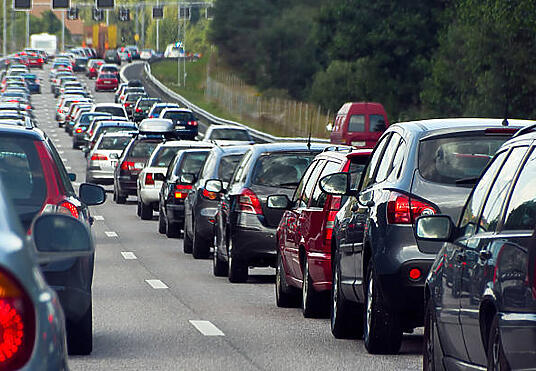
June 2026 marks the 30th anniversary of the annual National Safety Month. They are “dedicated to keeping people safe from the workplace to anyplace”, and use the month of June to focus on different elements of safety in multiple industries. June 1-6 is dedicated to “Moving Safety Forward”; June 7-13 focuses on “Staying Safe on the Roads”; June 14-20 highlights “Promoting Holistic Worker Health”; and June 21-30 targets “Preventing Slips, Trips, and Falls”. Each week focuses on an essential aspect of safety that needs attention, as safety awareness and knowledge are among the most important factors in improving safety for all.
June 2026 Is “Trench Safety Month”
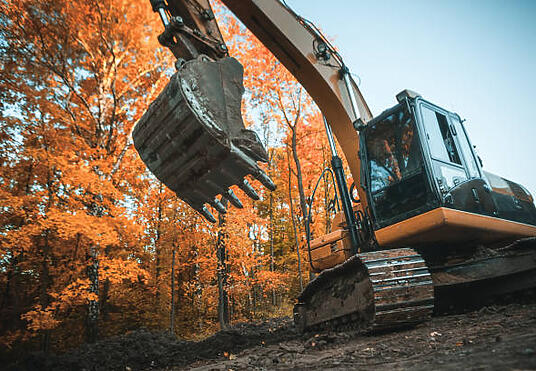
Alongside National Safety Month, the National Utility Contractors Association (NUCA) has also declared June Trench Safety Month. For the last decade, NUCA has hosted the Trench Safety Stand Down (TSSD) week for the utility construction industry. This year’s week-long event took place June 15-19 across the United States, organized by NUCA and industry professionals. The safety training, education, live demonstrations, and other activities highlight the deep need for awareness of safety around job-site trenches and excavations.
OSHA Updates the Heat National Emphasis Program
Earlier this year, OSHA updated its rules concerning the Heat National Emphasis Program (NEP). With summer now in full swing and heat a pertinent hazard both indoors and out, it’s worth revisiting the topic. The NEP works to protect workers from heat-related hazards across many industries. Nationwide, federal heat safety standards are still being developed by OSHA – it’s currently in the rulemaking process. In the absence of true federal standards, this heat NEP seeks to guide and enforce heat safety standards, such as regular breaks, access to cool water, training on heat-illness symptoms, emergency response, and more.
World Cup Comes to the United States, and So Do Workplace Safety Risks
With the World Cup descending on North America, the United States, Canada, and Mexico will need to increase their safety measures in multiple sectors. In addition to managing crowds in the nearly dozen cities where matches are being held in the States, workplaces in those cities will experience the impact of this temporary, multi-million-dollar increase in revenue. The hospitality, food service, and entertainment industries, specifically, will feel the pressure as millions of people descend for the duration of the World Cup. Because of this, it’s essential that business owners proactively approach crowd control issues and ensure that their employees have the safe workplace that OSHA requires. This includes commuting and while on the clock, especially for those who work in close proximity to the stadiums where the matches take place. It also includes areas where large crowds, occupancy issues, and safe commuting might become concerns. The World Cup serves as a reminder that crowd management should be a year-round priority, even when a large event is not taking place.
How agencies are rethinking event security in the age of drones, hooligans and real-time intelligence
Event planning has transformed over the years, with new technologies, bigger crowds, and more demands all around. The industry continues to require adaptation to deliver the best and safest possible event, especially given potential security hazards such as drones and aggressive, disruptive guests. Real-time intelligence has given organizers and security leads an advantage in managing crowds and security risks before they become an issue. Recently, police departments from Glendale, Arizona, and Vancouver, Canada, described how they accomplish that at the Motorola Solutions Summit. Using a program called CommandCentral Aware – which integrates cameras, officer locations, drones, alerts, and dispatch stations – they’ve centralized crucial information in one place. This particular program has enabled agencies to prepare for high operational demands and manage emerging threats in real time.
Construction Leaders Invited to Join New Mental Health and Safety Pledge Initiative
The construction industry has long glossed over the care of the mental health of its employees, but the recently formed non-profit Construction Mental Health Alliance (CMHA) just announced the official launch of its “Industry Pledge”. This pledge, which CMHA invited industry leaders to commit to, seeks to protect both the physical and mental health of staff and crews by setting measurable goals. These goals look like protecting workers from traumatic brain injuries, managing fatigue and mental stress, and reducing suicide in construction by improving mental health. The Industry Pledge is available at this link, and all construction leaders and organizations are invited to take it.